Landscaping Dulwich: Creating Elegant Outdoor Spaces for a Beautiful Suburb
 Landscaping Dulwich is about more than making a garden look neat. It is the craft of shaping outdoor spaces so they feel harmonious, practical, and suited to the character of the area. Dulwich is known for its leafy streets, period homes, and refined atmosphere, which means gardens here often benefit from thoughtful design rather than overly busy features. A well-planned outdoor space can complement traditional architecture, improve day-to-day living, and add lasting appeal to a property.
When people think about landscaping in Dulwich, they often imagine pristine lawns, structured planting, and elegant paths that guide the eye through the garden. While these are certainly part of the picture, successful landscape design goes deeper. It involves understanding how sunlight moves across the property, how the family uses the space, what level of maintenance is realistic, and how the garden can look attractive throughout the year. A good landscape should feel both beautiful and usable.
For homeowners, the appeal of landscaping Dulwich properties lies in the balance between style and function. A small courtyard can become a calm retreat, a long rear garden can be divided into distinct zones, and a front garden can be redesigned to create a more welcoming first impression. The most successful outdoor spaces are not simply decorated; they are carefully composed. Every element, from paving to planting, has a role to play in the overall experience of the garden.
Why Landscaping Matters in Dulwich Homes
Outdoor space is a valuable part of many homes in Dulwich, and skilled landscaping can transform the way that space works. In a suburb with a strong architectural identity, gardens are often expected to support the style of the house rather than compete with it. That can mean clean lines for a modern extension, soft planting around a Victorian terrace, or a formal layout that suits a larger period property. Each approach has different requirements, but all benefit from careful planning.
Landscape design in Dulwich is especially important because many gardens have varied shapes, mature trees, or existing structures that need to be integrated into the design. Instead of treating these as limitations, a thoughtful approach can turn them into strengths. A sloping plot can be terraced, a narrow side return can become a planted corridor, and an overlooked garden can be redesigned with screens, hedges, or layered planting to improve privacy.
Another reason landscaping is so valuable is the effect it has on lifestyle. A garden that is easy to use encourages people to spend more time outside. Families may want a lawn for children, a patio for dining, and planting that softens the edges of the space. Others may prefer a low-maintenance design with evergreen structure, seasonal interest, and a peaceful seating area. In every case, the outdoor environment becomes an extension of the home rather than an area used only occasionally.
Design Principles That Shape Successful Dulwich Landscapes
The most effective landscaping Dulwich gardens usually begins with a clear sense of structure. Structure is what holds a garden together. It may come from paths, borders, hedges, walls, fences, or the geometry of planting beds. Without structure, even attractive features can feel disconnected. With it, the whole garden feels intentional and balanced. A strong layout also helps to direct movement, separate functions, and create a sense of discovery as the visitor walks through the space.
Planting is one of the most expressive parts of any landscape. In Dulwich, planting schemes often work best when they combine elegance with resilience. Homeowners may choose layered borders with trees, shrubs, and perennials to provide depth and seasonal change. Evergreen plants can add year-round form, while flowering varieties bring colour and softness. The aim is not simply to fill space but to create rhythm, texture, and visual interest that evolve across the seasons.
 Hard landscaping is equally important. Materials such as natural stone, brick, gravel, timber, and porcelain each contribute a different mood. In a suburb where houses often have strong period features, materials should be selected with care so they feel sympathetic to the surrounding architecture. A brick path may enhance a traditional home, while large-format paving might suit a more contemporary property. The right choice can subtly elevate the entire garden.
Making the Most of Different Garden Types
Dulwich includes a wide range of garden types, each with its own potential. Front gardens are often the first part of the property to be seen, so they play an important role in setting the tone. A front garden does not need to be elaborate to be effective. Simple planting, a neat border, and a well-proportioned path can create a polished appearance that feels inviting without appearing overdone. In many cases, restraint is what creates the greatest elegance.
Rear gardens, by contrast, can be designed for comfort and enjoyment. Many homeowners want a space that accommodates dining, entertaining, relaxation, and family activity all at once. This is where zoning becomes useful. A paved terrace near the house might serve as an outdoor dining area, while a lawn or gravel section provides open space further back. Borders can be used to define edges and create a sense of enclosure, making the whole area feel more settled and private.
Courtyards and smaller gardens present a different challenge, but they can be especially rewarding. Limited space demands precision, and every detail matters. In Dulwich landscaping projects with compact layouts, vertical planting, reflective surfaces, and carefully chosen materials can make a garden feel larger and more layered. Seating can be integrated into walls or planters, and planting can be used to soften boundaries without overwhelming the area. Small gardens often benefit from a calm, cohesive design that avoids clutter.
Planting Styles That Suit the Dulwich Setting
 Planting is often the most memorable part of a garden, and in Dulwich the best planting schemes usually complement the architectural surroundings. Many local homes are enhanced by planting that feels refined rather than wild. That does not mean gardens must look formal or rigid. Instead, it means the planting should feel balanced, well-paced, and appropriate to the property. Ornamental grasses, clipped shrubs, flowering perennials, and structured evergreens can all work together to create a sophisticated effect.
A successful planting scheme should also account for seasonality. A garden that only looks attractive in spring or summer may feel disappointing at other times of year. By including plants that offer winter structure, early bloom, summer colour, and autumn texture, the garden remains engaging throughout the seasons. This approach is particularly useful in a location like Dulwich, where gardens are often viewed from inside the home as well as used outside. A constantly changing view can make the interior feel more connected to nature.
Native planting and pollinator-friendly choices are also increasingly popular in modern landscape design. These options can support wildlife while still looking elegant and well-ordered. Homeowners may include flowering shrubs, herbs, and perennials that attract bees and butterflies, helping the garden feel alive and dynamic. When carefully arranged, environmentally conscious planting can be both practical and visually appealing.
Materials, Surfaces, and Garden Features
The materials used in a landscape have a big impact on the final result. In many Dulwich garden landscaping projects, the aim is to choose finishes that feel durable, attractive, and suited to the home. Natural stone can offer timeless beauty, while brick can provide warmth and familiarity. Gravel is useful for drainage and for creating a softer, more relaxed surface. Timber adds warmth and can be used for decking, benches, or screening. Each material has its own strengths, and the best designs often combine several in a carefully coordinated way.
Paths and patios are especially important because they shape how people move through the space. A patio close to the house should feel comfortable and practical for regular use, while paths leading deeper into the garden can add structure and encourage exploration. Curves may soften a narrow layout, while straight lines can reinforce a sense of order. The choice depends on the style of the garden and the atmosphere the homeowner wants to create. Well-planned surfaces make outdoor living easier and more enjoyable.
Features such as pergolas, raised planters, water elements, and lighting can further enrich the design. A pergola may introduce shade and architectural interest, while raised beds help separate planting from circulation space. Water features can add movement and sound, bringing a sense of calm to the garden. Lighting extends the use of the space into the evening and highlights key features after dark. Used thoughtfully, these additions increase both beauty and functionality.
How Landscaping Can Improve Daily Life
One of the most overlooked benefits of landscaping is the way it can improve everyday routines. A garden that is easy to maintain, pleasant to sit in, and visually coherent can reduce stress and create a stronger connection to home. For families, this might mean a lawn that is practical for play, borders that are neat but not fussy, and seating areas that are comfortable and welcoming. For others, it may mean a quieter design with space for reading, eating outside, or simply enjoying fresh air.
In addition to lifestyle benefits, landscaping can also influence how a property feels from the inside. Views of greenery from a kitchen window, dining room, or home office can make the interior feel more open and restful. A carefully designed garden can act as a living backdrop that changes with the weather and the seasons. This is one reason why many homeowners invest in landscaping in Dulwich even when they do not use the garden constantly. The visual effect alone can be highly rewarding.
There is also a sense of pride that comes from having an outdoor space that is well cared for and thoughtfully arranged. A garden does not need to be large to make a strong impression. In fact, some of the most memorable designs are compact spaces with a clear identity. Whether formal or relaxed, a garden that reflects the character of the home can feel deeply satisfying and genuinely personal.
Balancing Tradition and Modern Living
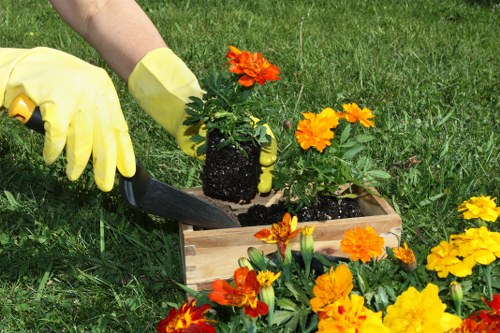 Dulwich is a place where tradition and modern life often meet. Many homes have historical charm, yet the people living in them may want contemporary convenience. Landscaping can bridge this divide by combining classic materials with modern layouts or traditional planting with more practical features. For example, a garden may use heritage-inspired brickwork while incorporating contemporary outdoor seating and simple, low-maintenance planting. The result feels rooted in the setting but still suited to modern habits.
Privacy is another important consideration. Urban and suburban gardens often benefit from subtle screening, especially when neighbouring properties are close by. Hedges, trellises, layered planting, and carefully positioned trees can provide seclusion without creating a closed-in feeling. In a Dulwich garden, privacy solutions often work best when they feel natural and integrated rather than imposed. This helps preserve openness while still offering comfort.
Modern landscaping Dulwich homeowners appreciate is often about quiet sophistication. It avoids unnecessary complication and instead focuses on proportion, material quality, planting health, and long-term usability. This approach suits the atmosphere of the area, where understated refinement is often more valued than dramatic effects. A garden can be visually rich without being crowded, and functional without losing elegance.
Seasonal Interest and Long-Term Appeal
A well-designed garden should remain attractive all year round. Seasonal interest is a key part of this, especially in areas where people spend as much time looking at the garden from indoors as they do using it outside. Spring bulbs, summer flowers, autumn foliage, and winter structure each contribute something different. When these elements are combined carefully, the garden never feels empty or static. Instead, it changes naturally over time.
Long-term appeal also depends on how the design matures. Trees and shrubs grow, planting fills out, and surfaces weather subtly. Good landscape planning anticipates these changes. Space is left for plants to expand, material choices are made with durability in mind, and the design avoids overcrowding. This forward-thinking approach helps the garden remain attractive for many years rather than only in its first season. It is one of the hallmarks of quality Dulwich landscaping.
Maintenance should also be considered from the start. A garden that is too demanding can become a burden, while one that is too simple may lack character. The best balance depends on the homeowner’s needs. Some prefer generous planting and are happy to spend time tending it, while others want a design that is easier to manage. Both can be successful when the layout, materials, and plant choices are aligned with the intended level of care.
Creating Harmony Between House and Garden
In a place like Dulwich, the relationship between the house and garden matters greatly. A garden should feel like an extension of the property rather than a separate or unrelated space. This means paying attention to architectural details, materials, and views from inside the home. A well-designed garden can echo the lines of the building, complement its colours, and enhance its character. When this harmony is achieved, the entire property feels more complete.
Even subtle changes can make a strong difference. Replacing tired paving, refining a planting border, improving boundary treatments, or reshaping a lawn can dramatically improve the atmosphere of the outdoor space. Because gardens are experienced over time, often from multiple angles, small improvements accumulate into a more polished whole. This is why professional-style landscaping in Dulwich is often defined by coherence rather than excess.
Homeowners who appreciate elegant outdoor spaces often look for a design that feels calm, practical, and enduring. That does not mean the garden lacks personality. On the contrary, the best gardens have a clear identity that reflects the people who use them. They may feel serene, sociable, formal, relaxed, or quietly luxurious, but they always feel intentional. This sense of purpose is what makes a garden memorable.
The Lasting Value of Thoughtful Landscaping
Good landscaping can increase the enjoyment of a property in ways that are both immediate and long-lasting. A newly improved garden can change how a home feels from the first day it is completed, but it can also continue to deliver value year after year. Well-placed trees provide shade and maturity, quality materials stand the test of time, and a balanced design adapts gracefully as the garden develops. These qualities make landscaping one of the most worthwhile forms of home improvement.
In Dulwich, where many properties already have strong character, the aim is usually not to overpower the setting but to enhance it. This requires sensitivity, imagination, and attention to detail. A successful garden design respects the home, works with the land, and supports the way people live. Whether the space is large or small, formal or informal, the best outcome is one that feels natural and inviting. It should look as though it belongs there.
 Landscaping Dulwich properties is ultimately about creating spaces that enrich everyday life while reflecting the area’s elegance and charm. From planting and paving to layout and lighting, every choice shapes the atmosphere of the garden. When those choices are made with care, the result is more than an attractive outdoor area. It becomes a place to relax, gather, admire, and enjoy across the seasons. A thoughtfully designed garden can turn an ordinary exterior into a lasting source of beauty and comfort, making the home feel complete in a way that is both practical and inspiring.