Turf laying in Dulwich
If you are looking for turf laying in Dulwich, you are probably ready to turn a tired, uneven or patchy outdoor space into something that looks clean, green and usable quickly. Whether you have a family garden in East Dulwich, a front lawn near Dulwich Village, a courtyard close to Herne Hill, or a commercial frontage that needs to look presentable all year, fresh turf can make an immediate difference. A properly prepared and professionally laid lawn gives you an outdoor area that feels finished, practical and welcoming from the start.
Dulwich is known for its attractive residential streets, character homes, period properties and well-kept private gardens, so lawn quality matters here. Many local properties have compact front gardens, shaded back gardens, sloping plots, mature trees or narrow access points, all of which can affect how a turfing job is planned and carried out. That is why choosing a local team for lawn turfing in Dulwich is often the smarter option: the work can be adapted to your garden’s layout, soil condition and everyday use.
From full garden makeovers to replacing a damaged section of grass, new turf installation is one of the fastest ways to transform a property. A good result depends on more than simply rolling out grass. It requires proper ground preparation, level setting, soil improvement where needed, careful laying, and aftercare advice that suits local conditions. If you want a lawn that roots well and continues to thrive, the work has to be handled carefully from the beginning.
Why choose turf laying for a Dulwich property?
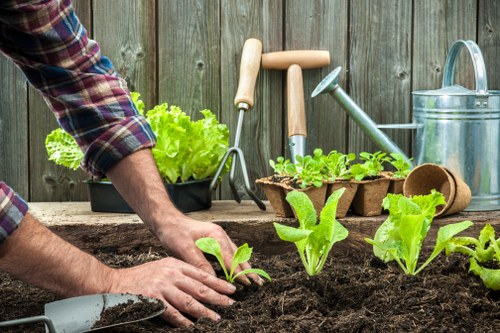
Many homeowners choose new turf because it provides an instant visual improvement. A bare lawn area, worn path, uneven patch or muddy garden can make the entire outside space feel unfinished. Fresh lawn turf brings structure and softness to the garden straight away, which is especially useful if you want to use the space for family time, entertaining or simply enjoying a neat outlook from the house. In a place like Dulwich, where many gardens are seen from living rooms, kitchens and terraces, curb appeal and everyday enjoyment both matter.
Turf laying in Dulwich is also popular because it solves practical problems. Old lawns can struggle with shade from mature trees, heavy foot traffic, compacted soil, poor drainage or long-term wear. Rather than waiting for seed to establish slowly, ready-grown turf gives you an established surface that looks finished far sooner. That makes it a strong choice for busy households, landlords preparing a rental property, schools, nurseries, hospitality spaces and local businesses that need a smart external appearance.
Another reason people request local grass laying services is flexibility. Not every garden needs the same approach. Some require a full strip-out and rebuild, while others only need surface levelling, topsoil addition and replacement of damaged turf. A local installer can advise whether the lawn can be revived or whether a fresh start will give a better outcome. Good advice at the start often saves time, money and frustration later.
What is included in professional turf laying?
Professional turf installation should involve a complete process rather than just dropping turf onto the ground. The aim is to create a healthy base so the lawn can establish properly, remain level and stand up to everyday use. This is particularly important in Dulwich, where soil conditions can vary from property to property and access may be limited by side passages, steps, side returns or rear lanes.
A typical service for new lawn turfing may include:
- Site assessment and measurement
- Removal of old grass, weeds, rubble or surface debris
- Ground levelling and shaping
- Soil improvement or topsoil installation if required
- Careful turf delivery and handling
- Professional laying with tight joints and staggered seams
- Watering advice and aftercare guidance
- Optional edging or finishing touches where appropriate
Depending on the condition of the garden, extra groundwork may be needed before any turf is laid. For example, a lawn with poor drainage might benefit from soil correction or regrading. A heavily used family garden may need stronger edging or slightly firmer preparation. A shaded area under mature trees may need a different approach from a sunny open lawn. These details are what separate a neat short-term result from a lawn that actually performs well over time.
How the turf laying process works
Every garden is different, but a well-managed turf laying project generally follows a clear sequence. First, the area is inspected so the installer can understand the existing ground level, drainage, access and likely preparation needed. This step matters because it helps avoid future problems such as sinkage, uneven patches, water pooling or poor rooting.
Next, the area is cleared. Old grass, weeds and surface waste are removed, and the ground is prepared for the new lawn. In many Dulwich gardens, especially older properties, this stage can reveal compacted soil, rubble from previous landscaping work or an uneven sub-base. A careful local team will address these issues before the turf goes down. If needed, fresh topsoil can be added and raked to create the correct finish.
Once the base is ready, the turf is laid in a staggered pattern with joints tucked tightly together to reduce visible seams. The lawn is then rolled or lightly pressed to improve contact with the soil below. This helps the roots establish and gives the surface a more even finish. After installation, watering instructions are essential. Fresh turf needs consistent moisture in its early days, especially during warmer weather or on exposed plots.
Typical stages at a glance
- Initial check and measurement
- Old lawn or waste removal
- Soil preparation and levelling
- Turf delivery and installation
- Rolling, cutting-in and finishing
- Aftercare recommendations
Attention to detail during preparation is what helps the final lawn settle evenly and look professional. It is rarely the turf roll itself that creates the biggest difference; the base underneath is what determines whether the lawn feels solid, smooth and durable.
Why Dulwich properties need a local approach
Dulwich has a mix of property styles, and that variety affects turfing work. Detached and semi-detached homes may have spacious back gardens, but many terraced houses have long narrow plots, rear access constraints and limited storage space. Some gardens are enclosed by walls or fences, while others include mature planting, steps, slopes, patios or outbuildings that make movement more difficult. A local turf installer understands how to work in these conditions without causing unnecessary disruption.
Access and parking can also be part of the planning. In busier parts of Dulwich and nearby areas such as East Dulwich, West Dulwich, Herne Hill, North Dulwich and Denmark Hill, it is not always straightforward to unload materials right next to the garden. Turf rolls, soil and equipment may need to be carried through narrow side passages or positioned carefully to protect paving and existing planting. A team that knows the area can plan logistics more realistically and keep the job moving efficiently.
Local knowledge also helps when considering seasonal timing and soil conditions. Shaded gardens near larger trees or boundary planting may dry out more slowly. Sunny gardens can need stronger watering support in warm periods. Heavy clay or compacted ground may require extra work before turf is laid. In every case, the aim is the same: create a lawn that not only looks attractive on day one but also has the best chance of rooting well and remaining healthy.
Benefits of choosing a local team
- Better understanding of local property layouts
- Practical planning for access and delivery
- Knowledge of common garden conditions in the area
- More flexible timing around local customer needs
- Useful advice for maintenance after installation
Residential turf laying in Dulwich
For homeowners, turf laying is often about creating a garden that works for everyday life. A new lawn can provide a safe and attractive area for children, a cleaner surface for pets, a softer transition between patio and planting, or simply a pleasant place to sit outside. In a local family garden, the lawn often becomes the central feature, so the quality of the finish matters.
Many residential customers ask for lawn turfing after building work, landscaping changes or years of wear. Garden extensions, new patios, driveways and boundary alterations can leave an area disturbed or unfinished. Turfing is an effective way to complete the project and balance hard landscaping with a natural surface. It is also a practical fix after drainage issues, seasonal damage or the removal of old paving or overgrown shrubs.
Homeowners in Dulwich often want a lawn that complements the style of the property. A neat, level turf finish suits both period houses and more modern homes. It can enhance the front garden as well as the rear, and it often adds a more cared-for appearance to the whole property. If your garden has a formal layout, a cottage style planting scheme or a simple family-friendly design, the right turf installation helps everything feel more cohesive.
Common residential requests
- Replacing patchy or dead grass
- Leveling an uneven back garden
- Creating a fresh lawn after landscaping
- Improving front garden presentation
- Preparing a child-friendly outdoor space
- Refreshing lawns damaged by pets or heavy use
Commercial turf laying and shared outdoor areas
It is not only private homes that benefit from professional turf laying. Commercial clients in and around Dulwich also need outdoor areas to look tidy and functional. Schools, nurseries, care settings, hospitality venues, offices and managed residential developments may all need turf replacement or new grass installation. A clean lawn can improve first impressions and support a more pleasant environment for staff, visitors and users.
For commercial spaces, the main concerns are often durability, efficiency and minimising disruption. Work may need to be scheduled carefully to avoid peak times or to fit around access requirements. A commercial turfing service can help with those practical details, ensuring that the site is left in good condition and ready for use as soon as possible. Depending on the space, it may be important to create a lawn that can cope with light traffic, repeated maintenance or a particular visual standard.
Because commercial sites vary so much, the approach has to be tailored. A small courtyard at a local business, a shared garden for residents or a landscaped frontage outside a public-facing building will each need slightly different preparation and aftercare. The common aim is the same: a tidy, usable outdoor surface that reflects well on the property.
What affects the price of turf laying?
Customers often want to understand what influences the overall cost of a turfing project. While exact prices depend on the site, several factors usually shape the final quote. Knowing these in advance helps you plan more confidently and compare service options more fairly. A professional installer will normally look at the garden in person or from accurate measurements before giving a realistic figure.
Main pricing factors
- Size of the lawn area
- Amount of old turf or waste to remove
- Condition of the existing soil
- Need for topsoil, levelling or drainage correction
- Access difficulty and distance from parking to garden
- Any edging, finishing or extra landscaping work
- Whether the project is domestic or commercial
It is worth remembering that the cheapest option is not always the best value. A turf job that skips preparation may appear fine at first but can quickly become uneven, dry out badly or fail to root evenly. By contrast, a properly prepared lawn can save you money and stress later. If you are considering turf laying in Dulwich, it makes sense to ask what is included, how the ground will be prepared and what aftercare support will be provided.
How to prepare your garden before installation
Good preparation helps the work go smoothly and can improve the final outcome. If you are arranging lawn turfing at your Dulwich property, there are a few simple things you can do beforehand. Some customers prefer to clear the area themselves, while others leave everything to the installer. Either way, a tidy, accessible site helps the project begin without delays.
Preparation checklist:
- Remove garden furniture, toys and loose items
- Make access points clear where possible
- Identify any underground utilities or irrigation features if relevant
- Trim back overgrown plants that block access to the lawn area
- Discuss parking or delivery arrangements in advance if space is limited
- Let the installer know about drainage issues, slopes or previous groundworks
If you are having a full garden makeover, it is helpful to coordinate turf laying with other landscaping tasks such as fencing, paving, planting or shed installation. Turf should usually be laid when most of the heavy work has been completed, so the new lawn is not damaged by later trades. In some cases, a phased schedule works best, especially on larger or more complex sites.
Tip: If your garden has existing weeds, poor patches or old turf you are unsure about, do not worry. A site visit or assessment can help determine whether a full replacement or partial re-laying is the right option.
Aftercare for new turf
Once the turf is in place, aftercare becomes the priority. This is the period when the lawn is rooting into the soil beneath, so the first few weeks matter a great deal. New turf should be watered regularly according to the weather and the site conditions. If the weather is warm or windy, it may need more frequent attention. If the garden is shaded or the soil holds moisture well, watering may need to be adjusted accordingly.
Avoid heavy foot traffic until the turf has settled. Light use may be possible sooner in some areas than others, but it is best to protect the new lawn while it establishes. Keep pets off the surface where possible, and avoid placing furniture, play equipment or heavy pots directly on the grass too early. Cutting should wait until the turf has rooted sufficiently, and the first mow should be done carefully with a suitable blade setting.
Helpful aftercare habits include:
- Watering deeply and consistently at the start
- Checking for dry edges or lifted corners
- Keeping traffic light while roots settle
- Waiting for the right moment to mow
- Monitoring shaded or sloping areas more closely
Good aftercare is one of the simplest ways to protect your investment. If you are unsure how to manage the first few weeks, ask for clear instructions before the job is completed. A local installer should be able to explain what your specific lawn needs depending on the season, soil and exposure.
Why people in Dulwich choose fresh turf over seeding
Grass seed has its place, but many local customers prefer turf because it gives an immediate result. Seeding can be slower, more vulnerable to birds and weather, and less suitable for gardens that need a quick finish. Turf is often the better option when you want a lawn to look complete right away, especially after construction work or in a property that is about to be used or shown to visitors.
There is also a practical advantage in gardens that need an even surface. Turf can be laid to create a more finished appearance over a whole area, while seed can sometimes result in patchy coverage or uneven establishment. That said, the right choice depends on the site, the budget and how quickly you need the lawn to be usable. A local professional can help you decide whether turf, seed or a combination of both will suit your garden best.
For many customers requesting turf installation in Dulwich, the main appeal is balance: a natural lawn that looks established quickly without the long waiting period associated with growing from seed. That is especially useful where the garden forms part of everyday home life or commercial presentation.
When turf is often the better option
- You want immediate visual improvement
- The area has recently been landscaped
- The lawn needs to be usable soon
- The ground is difficult to seed evenly
- You want a more consistent finish from the start
Areas covered around Dulwich
Local customers often need turf laying not just in Dulwich itself but in surrounding neighbourhoods and nearby streets where similar property types and garden conditions are common. A flexible local service is useful because it can support households and businesses across a wider part of south London without losing the advantages of area knowledge.
Nearby areas commonly served may include East Dulwich, West Dulwich, North Dulwich, Dulwich Village, Herne Hill, Denmark Hill, Peckham Rye and nearby parts of Camberwell and Brixton. These areas include a wide mix of properties, from Victorian and Edwardian homes to flats with shared gardens, small courtyards, modern extensions and commercial forecourts. That variety means each turfing job needs proper planning rather than a one-size-fits-all method.
Whether the site is a compact urban garden or a larger family lawn, the same principles apply: careful groundwork, accurate laying and sensible aftercare. If your property is in or around Dulwich and you want a lawn that looks smart and lasts, a local turf laying service can be arranged around the realities of the site.
Frequently asked questions
How long does turf take to settle?
That depends on the season, soil condition, weather and how well the area was prepared. In many cases, a turf lawn begins to root within a couple of weeks, but it may take longer before it feels fully established. Regular watering and light use only at first will help.
Can turf be laid all year round?
Turf can often be laid in many seasons, but conditions matter. Extremely dry, frosty or waterlogged periods can make installation more challenging. A local installer will usually suggest the best timing based on your garden and the forecast.
Do I need to remove my old lawn first?
Usually, yes. In most cases, old grass, weeds and unwanted material should be removed before new turf is laid. This helps create a clean base and supports better rooting. If the existing surface is in reasonable condition, partial preparation may be possible, but the ground still needs to be assessed properly.
Will new turf work in a shady Dulwich garden?
It can, but shade changes how a lawn behaves. Gardens with mature trees or tall surrounding structures may need more tailored preparation and maintenance. Choosing the right turf and keeping an eye on watering helps improve the result, but some shaded areas will always require more care than open sunny ones.
Can you turf a sloped garden?
Yes, but slopes need careful preparation so the soil does not shift and water does not run off too quickly. The turf may need to be laid and finished in a way that supports stability and even rooting.
How do I know if I need new turf or lawn repair?
If the damage is limited to a few patches, repairs may be enough. If the lawn is largely worn out, uneven or full of weeds, a full re-turf may be more effective. An assessment can help you decide what will give the best result for your garden and budget.
Book your turf laying service in Dulwich
If your garden is ready for a fresh start, turf laying in Dulwich is a practical and attractive way to improve it quickly. A new lawn can make a property feel more finished, increase day-to-day enjoyment and create a better first impression for visitors, tenants or customers. The key is using the right preparation, the right materials and the right local experience.
Whether you need a small front garden refreshed, a family back lawn replaced or a commercial outdoor area improved, a local turfing team can help with planning, installation and aftercare advice. If your site has access challenges, uneven ground, shade, drainage concerns or awkward layout features, those issues can be handled as part of a tailored service rather than forcing a standard approach.
Contact us today to discuss your project, request a free quote and arrange a convenient time to assess the work. If you are ready to move forward, book your service now and take the first step toward a healthier, better-looking lawn. A fresh turf finish can transform your outdoor space far sooner than many people expect, and with the right installation, it can become a valuable part of your home or business environment for years to come.