Recycling and Sustainability for Landscaping Dulwich
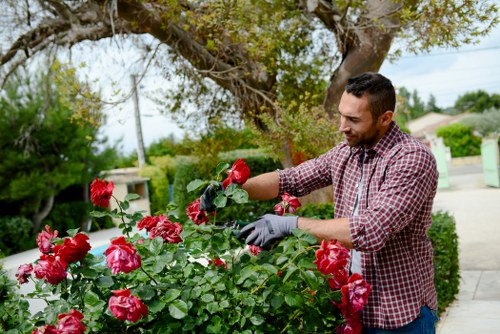 At Landscaping Dulwich, sustainability is not treated as an add-on; it is built into the way every garden project is planned, delivered, and tidied away. From the first site visit to the final sweep-up, we focus on reducing waste, reusing materials where possible, and sending the right materials to the right recovery streams. Our approach to landscape recycling in Dulwich is shaped by the practical realities of local borough waste systems, where separation of green waste, rubble, timber, metals, and mixed construction materials can make a major difference to how much is recovered rather than discarded.
We work to a minimum recycling target of 85% for project waste, measured by weight and supported by careful sorting on site and at approved facilities. This target applies across garden clearances, planting upgrades, hard landscaping removals, and maintenance operations. Where possible, suitable materials are salvaged for reuse, while organic waste is diverted into composting or mulching routes. In practice, this means that a large share of soil, branches, old planting, pallets, pots, and clean stone can be recovered through responsible channels instead of going to landfill. For Dulwich landscaping recycling, that focus on recovery is a key part of delivering a greener outcome for every client and every garden.
We also align our work with the waste-handling habits common across South London boroughs, where separation at source is increasingly encouraged. That can include separating green cuttings from general waste, keeping plasterboard and contaminated rubble out of mixed loads, and ensuring clean timber is not lost in residual waste streams. These small but important steps help support local recycling systems and reduce the carbon cost of transporting unrecoverable material. Landscaping Dulwich teams are trained to make these distinctions on site, so that a flowerbed excavation, patio uplift, or hedge reduction can be managed with the least possible environmental impact.
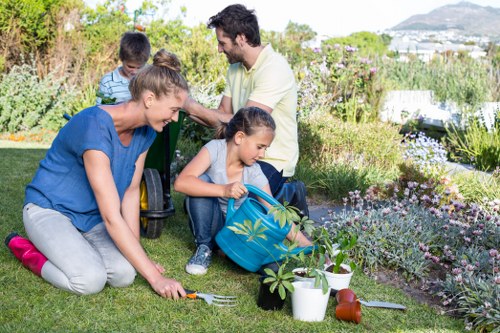 A major part of our sustainability strategy is using local transfer stations and licensed waste facilities close to Dulwich whenever possible. This reduces haulage distance, lowers emissions, and improves the chances that waste is processed efficiently. By working with nearby transfer stations, we can separate loads more accurately, including soil, green waste, inert materials, metals, and recyclable packaging. The result is a more traceable and responsible process for Dulwich landscape waste, with less unnecessary travel and fewer mixed loads heading through the system.
We look for facilities that support the recycling of everyday landscaping outputs such as turf, branches, hedge trimmings, broken paving, and old timber sleepers. In many cases, crushed concrete and stone can be redirected into aggregate recovery streams, while untreated wood may be turned into biomass or other reuse pathways. Even smaller items, such as plant labels, ties, and clean plastic pots, are sorted where feasible so they do not needlessly enter general waste. This careful approach is part of how we keep our landscaping recycling in Dulwich practical, measurable, and environmentally sound.
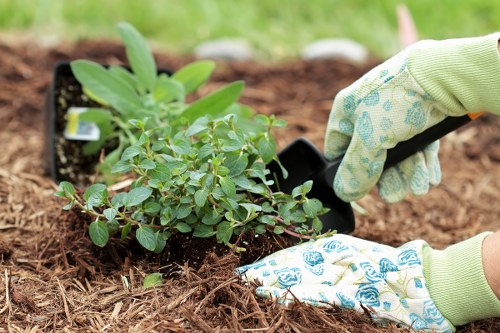 We also build partnerships with local charities and community organisations to extend the life of materials before recycling becomes necessary. Usable sheds, planters, bricks, edging, paving slabs, furniture, and decorative garden pieces may be passed on to charities, reuse groups, or community gardens if they are safe and suitable for a second life. This not only reduces waste but also helps support good causes across the area. In a district where community-led gardening and local improvement projects are highly valued, these partnerships turn surplus materials into useful assets instead of disposal costs.
Our charity partnerships are guided by the same standards we use on all jobs: items must be in good condition, clean enough to reuse, and appropriate for the recipient’s needs. We work with an eye toward reuse before recycling, because the greenest material is often the one that does not need to be processed again. That principle suits landscaping particularly well, as many hardscape and decorative materials remain structurally sound long after a design change. For customers seeking recycling-focused landscaping in Dulwich, this reuse-first mindset helps ensure the project supports both environmental and social value.
Transport is another area where we have made meaningful improvements. Our fleet includes low-carbon vans designed to reduce emissions during collections, deliveries, and site visits. These vehicles are chosen for efficiency, lower fuel consumption, and reduced idling impact in residential streets. Where a load can be consolidated, we plan routes carefully to avoid unnecessary journeys. In a neighbourhood like Dulwich, where many projects involve short hops between suppliers, transfer stations, and client properties, low-carbon transport can significantly reduce the overall footprint of each job.
We also encourage smarter material planning so that fewer trips are needed in the first place. Accurate estimation, staged deliveries, and careful ordering help cut down on packaging waste and surplus stock. When materials do need to be removed, we separate them before loading so the van is used efficiently and waste streams remain cleaner. This is especially useful for projects involving soil removal, pruning waste, or old patio materials, where a mixed load can quickly become difficult to recover. By keeping the process organised, Landscaping Dulwich can maintain high recycling performance while keeping emissions under control.
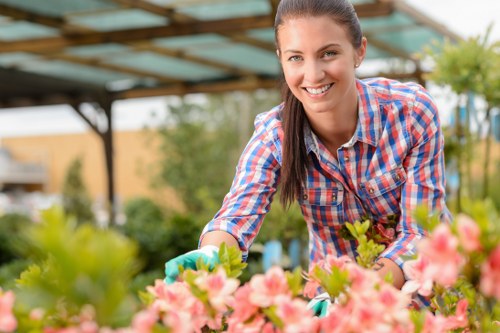 Another important element of our sustainability work is responsible handling of green waste. Branches, leaves, grass clippings, hedge cuttings, and soft plant matter are routed away from general disposal wherever possible. These materials can often be composted or turned into mulch, helping return nutrients to the landscape rather than creating avoidable waste. In an area with mature gardens, recurring pruning needs, and seasonal planting cycles, green waste management plays a major role in keeping the overall recycling rate high. It also supports healthier future planting by feeding better soil-building practices.
We are equally attentive to the recovery of hard materials from renovation and clearance work. Old bricks, concrete, stone, metal fixings, and untreated timber each have their own recovery path, and they should not be mixed if they can be separated. That is why our crews are instructed to sort as they work, rather than leaving everything to the end of the job. This site-level discipline improves outcomes at the transfer station and helps local borough systems process the material more effectively. In other words, recycling in Dulwich landscaping begins with good habits on the ground.
 Sustainability, for us, means combining environmental responsibility with reliable service. The goal is not simply to remove waste, but to handle every project in a way that conserves resources, reduces emissions, and supports the wider community. With an 85% recycling target, local transfer station use, charity partnerships, and low-carbon vans, Landscaping Dulwich is committed to a practical and measurable approach. Whether the task is a garden clearance, a planting refresh, or a full outdoor redesign, our recycling-first method helps ensure that each project leaves a lighter footprint and a better legacy.